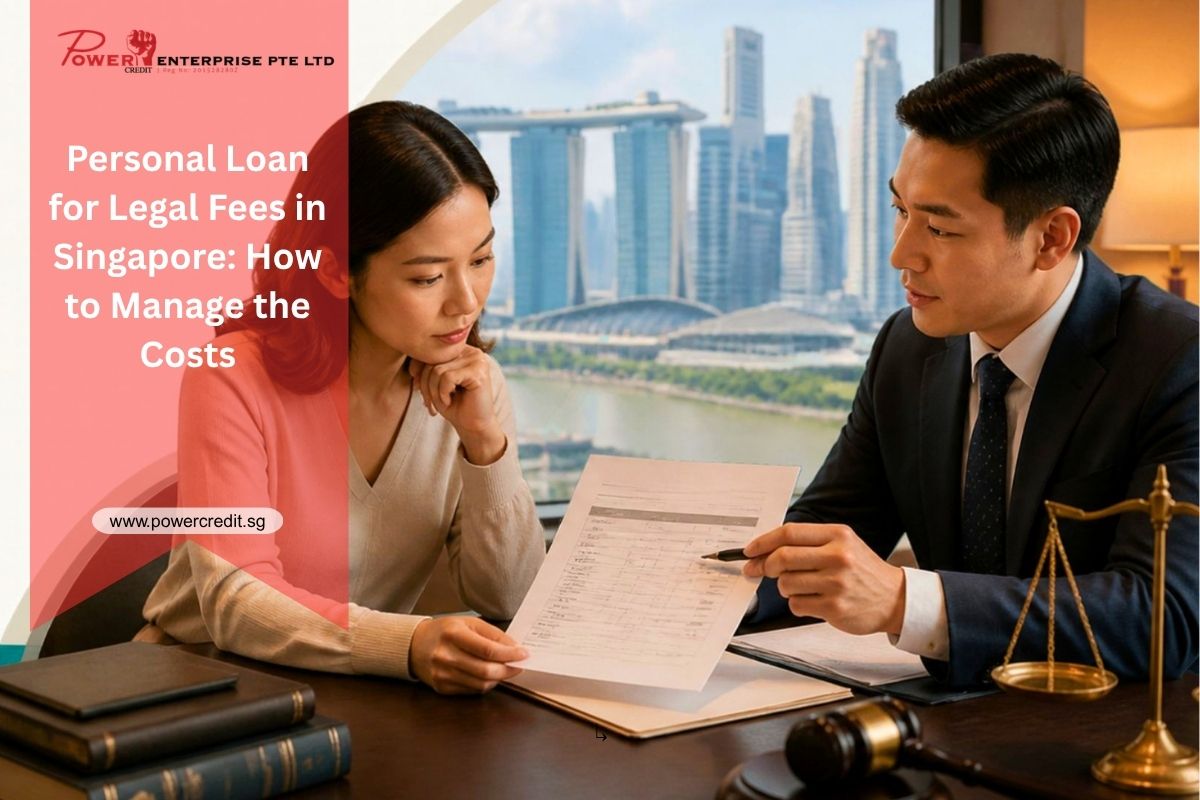
Personal Loan for Legal Fees in Singapore: How to Manage the Costs
Legal disputes can become expensive, especially when lawyer fees, court charges and unexpected proceedings begin affecting your savings. Whether you are going through a divorce, dealing with an inheritance dispute or pursuing a civil claim, paying for legal representation can place considerable pressure on your finances.
A personal loan may help cover legal expenses when you cannot afford the full amount upfront. However, before borrowing from a bank or licensed money lender in Singapore, you should understand the costs involved and whether the repayments fit your budget.
This guide explains the expenses you may encounter, how personal loans can help, and the alternatives worth exploring before committing to a loan.
Can You Use a Personal Loan to Pay Legal Fees in Singapore?
Yes, a personal loan can generally be used to cover legal expenses, subject to the lender’s terms and approval criteria. This may include lawyer consultation fees, court filing charges, legal representation and other expenses related to your case.
Personal loans usually provide an approved sum that you repay through scheduled instalments over an agreed period. This can make a large legal bill more manageable, particularly when payment is required before proceedings begin.
However, you must continue repaying the loan regardless of whether your case succeeds, fails or takes longer than anticipated.
What Legal Expenses Should You Prepare For?
Legal costs vary depending on the nature of your case, the lawyer handling it and the length of the proceedings. Some matters may be resolved through a few consultations, while complicated disputes can require months of preparation and multiple court appearances.
1. Lawyer Consultation and Representation Fees
Lawyers may charge hourly rates or fixed fees depending on the services provided. For example, an uncontested divorce may involve a relatively straightforward fee arrangement. A contested divorce involving custody, maintenance or property disputes could require considerably more legal work.
2. Court Filing Fees
Certain legal proceedings involve fees for filing documents, submitting applications and requesting court services.
These charges depend on the type of case and the court involved. You can refer to the Singapore Courts’ official fee information to understand the applicable charges.
3. Expert Witnesses and Professional Reports
Some disputes require additional evidence from independent professionals, such as:
- Medical specialists providing expert opinions
- Accountants examining financial records
- Property valuers assessing disputed assets
- Other professionals preparing technical reports
These services may increase the overall cost of your case.
4. Additional Hearings and Legal Work
Legal proceedings can become more expensive when negotiations fail, new evidence emerges or additional court applications are necessary.
Before engaging a lawyer, request a written quotation and clarify which services are included. Ask about potential additional charges if your case becomes more complicated.
Why Do Legal Fees Sometimes Exceed the Original Budget?
One difficulty with financing legal proceedings is that the final cost may remain uncertain until the matter is resolved. For example, suppose a lawyer initially estimates S$5,000 to handle a civil dispute. If negotiations break down and additional hearings are required, you may need to pay more for preparation, representation and court-related expenses.
Several factors can affect your final legal bill:
- Complexity: Disputes involving multiple parties, substantial evidence or complicated legal issues generally require more work.
- Duration: Longer proceedings may involve additional lawyer fees and administrative expenses.
- Disagreements: Unresolved disputes may require further negotiations, mediation or court hearings.
- Unexpected developments: New evidence or additional applications may increase the work required.
To manage these uncertainties, ask your lawyer for an estimated cost at each stage of the proceedings.
How Much Should You Borrow to Cover Legal Fees?
The amount you borrow should depend on your confirmed legal expenses, available savings and ability to repay.
Borrowing more than necessary increases your financial commitments. On the other hand, borrowing without understanding your expected legal costs may leave you facing another shortfall later.
Calculate Your Actual Financing Needs
Consider the following hypothetical example:
| Expense | Amount |
| Estimated lawyer fees | S$5,000 |
| Court and administrative expenses | S$1,000 |
| Other anticipated legal expenses | S$1,000 |
| Total estimated legal costs | S$7,000 |
| Available savings allocated to legal fees | S$2,500 |
| Estimated funding shortfall | S$4,500 |
In this situation, the individual may consider borrowing S$4,500 to cover the shortfall.
However, the amount disbursed may be lower than the approved loan principal if an administrative fee applies. Check the actual amount you will receive before accepting the offer.
Check Whether You Can Afford the Monthly Repayments
Suppose your monthly take-home income is S$3,500, while your regular household expenses and existing financial commitments total S$2,700. This leaves S$800 available each month.
If your proposed personal loan requires monthly repayments of S500,youwouldhaveonlyS300 remaining for unexpected expenses. That may become difficult if you face additional legal bills or a temporary reduction in income.
Before borrowing, calculate your essential expenses and make sure the repayment amount leaves sufficient room for emergencies.
Bank Personal Loan vs Licensed Moneylender: Which Should You Consider?
Banks and licensed moneylenders offer different borrowing arrangements. Understanding their requirements can help you identify a suitable option.
| Factor | Bank Personal Loan | Licensed Moneylender |
| Eligibility | Subject to bank income and credit requirements | Subject to legal borrowing limits and lender assessment |
| Processing | Depends on the bank and application | May offer a shorter application process |
| Interest rates | Depend on the bank and loan product | Subject to statutory limits |
| Repayment | Based on the agreed loan terms | Based on the agreed loan terms |
| Loan amount | Depends on bank policies and assessment | Depends on income, existing loans and legal limits |
Neither option guarantees approval. You should compare the total repayment amount, interest, fees and repayment schedule before making a decision.
What Are the Borrowing Limits for Licensed Moneylenders?
In Singapore, the amount you can borrow through unsecured loans from licensed money lenders depends on your annual income, residential status and existing outstanding loans.
Individuals earning at least S$20,000 annually may borrow up to six times their monthly income across all licensed moneylenders combined.
However, this represents the legal maximum, and the actual approved amount may be lower following an affordability assessment.
For a more detailed explanation, read Power Credit’s guide on how much you can borrow from a licensed moneylender in Singapore.
What Should You Check Before Taking a Personal Loan?
Borrowing to cover legal expenses creates an additional financial obligation, so reviewing the terms carefully is essential.
Interest Rates and Additional Fees
Under Singapore’s moneylending regulations, licensed moneylenders may charge:
- Interest of up to 4% per month
- An upfront administrative fee of up to 10% of the loan principal
- Late interest of up to 4% per month on overdue amounts
- A late payment fee of up to S$60 for each month of late repayment
The total interest, late interest and permitted fees charged by the moneylender cannot exceed the original loan principal. These figures represent the legal maximums and do not necessarily reflect the actual rates charged by individual lenders.
Repayment Period
A shorter repayment period generally means larger monthly instalments, while a longer period may reduce individual instalments but increase the overall borrowing cost. Review the repayment schedule and total payable amount before signing.
Lender Legitimacy
Before applying, verify that the lender is included in the Ministry of Law’s official list of licensed moneylenders. Licensed moneylenders must conduct face-to-face identity verification at their approved business premises before granting a loan.
You should also review the lender’s service information and independent customer feedback. For example, Power Credit publishes customer reviews that may help prospective borrowers understand other customers’ experiences with its loan process and service.
Are There Alternatives to Personal Loans for Legal Fees?
Before taking on additional debt, consider whether financial assistance or alternative payment arrangements could reduce your legal expenses.
1. Legal Aid Bureau
Singapore’s Legal Aid Bureau provides legal advice, assistance and representation to eligible Singapore citizens and permanent residents for certain civil matters.
Applicants generally need to satisfy financial eligibility requirements and an assessment of their case’s merits. Financial contributions may still be required.
2. Pro Bono Legal Services
Community legal clinics and pro bono programmes may provide free legal guidance to eligible individuals. These services can help you understand your rights and available options, although ongoing legal representation may not always be included.
3. Instalment Arrangements With Your Lawyer
Some law firms may allow clients to pay their professional fees in stages instead of requiring the entire amount upfront. For example, you may pay an initial deposit followed by subsequent payments as your case progresses. If this arrangement is available, you could reduce or eliminate your need for external financing.
4. Mediation and Alternative Dispute Resolution
Certain legal disagreements may be resolved through mediation without prolonged court proceedings. Successful mediation may reduce legal costs and help parties reach an agreement sooner. However, it may not be appropriate for every dispute. Speak with your lawyer to determine whether mediation is suitable for your circumstances.
Common Mistakes to Avoid When Borrowing for Legal Expenses
Financial pressure can lead to hasty decisions, particularly when legal deadlines are approaching.
Avoid these common mistakes:
- Borrowing more than necessary: Additional borrowing increases your financial obligations without necessarily improving your legal position.
- Depending on a favourable settlement: Winning a case does not guarantee that you will recover all your legal expenses.
- Ignoring existing debts: Taking another loan while struggling with current repayments may create further financial difficulties.
- Overlooking loan fees: Administrative charges can reduce the amount you receive, even though repayment is based on the original principal.
- Taking multiple loans without a repayment plan: Additional borrowing can make your overall debt more difficult to manage.
If you already have outstanding personal loans, Power Credit’s article on how many personal loans you can take at the same time provides further information about managing multiple borrowing commitments.
Making the Right Financial Decision for Your Legal Expenses
Legal disputes can be stressful, particularly when unexpected fees begin affecting your savings and household budget. Before considering a personal loan, obtain a detailed legal fee estimate, explore available financial assistance and determine how much you can comfortably repay each month.
If you still require financial support, Power Credit offers personal loan services in Singapore, with applications subject to eligibility checks and repayment assessments.
Need help understanding your personal loan options? Explore Power Credit’s personal loan services or check your eligibility to learn about the requirements before applying.
Frequently Asked Questions
Can I Use a Personal Loan to Pay for Divorce or Court Fees?
Yes. A personal loan may be used to cover divorce proceedings, court filing charges, lawyer fees and other related expenses, subject to the lender’s terms and approval requirements. Obtain an estimate from your lawyer before deciding how much to borrow.
How Much Can I Borrow From a Licensed Moneylender for Legal Fees?
The amount depends on your annual income, residential status, existing outstanding loans and repayment capacity. For unsecured loans, individuals earning at least S$20,000 annually may borrow up to six times their monthly income across all licensed moneylenders combined, subject to approval.
What Happens if My Legal Case Takes Longer Than Expected?
Additional hearings or legal work may increase your expenses, but your existing loan repayments will continue according to the agreed schedule. If you expect difficulty meeting your repayments, contact your lender early to discuss your circumstances.
If you like this article, you may want to read this article about Why More Work Pass Holders in Singapore Are Turning to Licensed Money Lenders.
If you are looking for a payday loan, licensed money lender in Singapore or personal loan, contact us today and we will recommend your best options.