Leaving Singapore With an Unpaid Foreigner Loan: What Borrowers Should Know
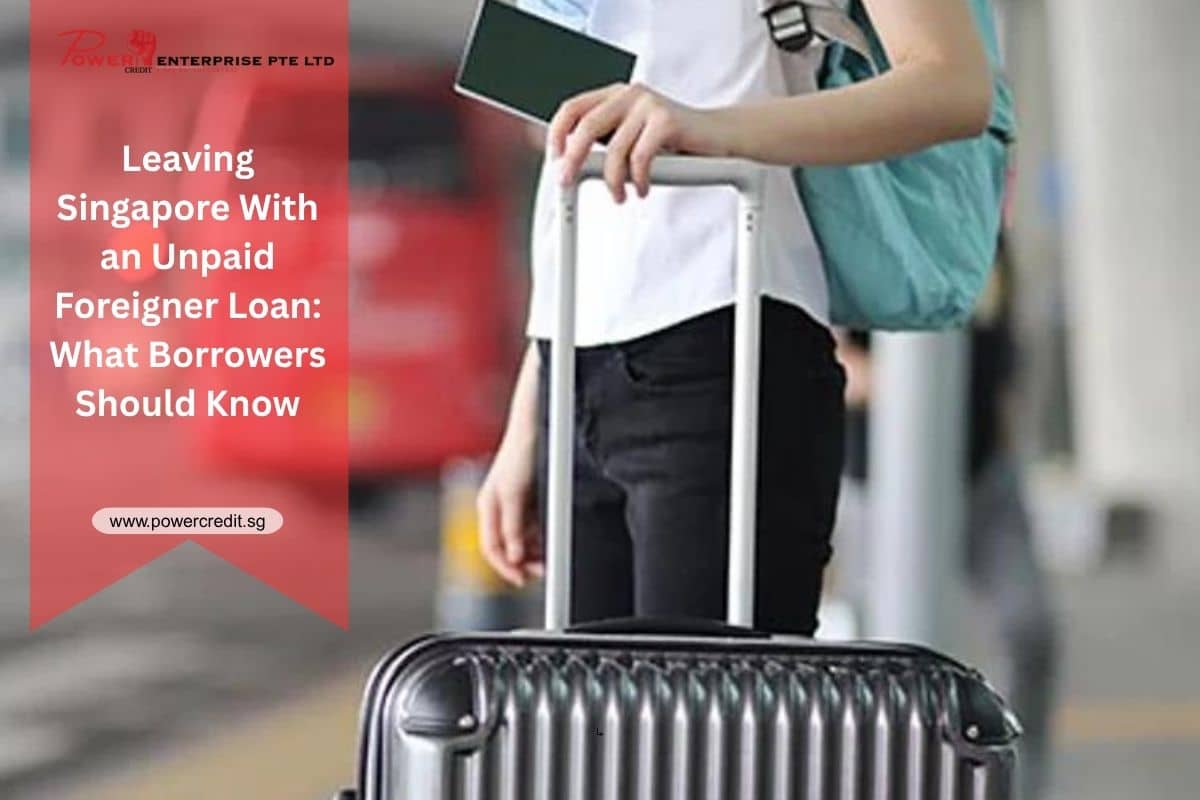
Leaving Singapore does not automatically make an outstanding loan disappear. For foreigners who have borrowed from a licensed money lender, unpaid balances can continue to exist even after the borrower relocates overseas or returns to their home country.
This is particularly important for anyone taking a foreigner loan while working in Singapore. A sudden job loss, work pass cancellation, family emergency, or unexpected relocation may force someone to leave earlier than planned. However, moving abroad does not normally cancel the repayment obligations agreed upon when the loan was taken.
Understanding what may happen before leaving Singapore can help borrowers avoid additional financial and legal complications.
Does Leaving Singapore Cancel an Outstanding Loan?
No. Leaving the country generally does not cancel a valid loan agreement.
When a borrower accepts a loan, they agree to repay the amount according to the repayment schedule and terms stated in the loan contract. Those obligations usually remain even if the borrower later:
- Changes employers
- Loses their job
- Has their work pass cancelled
- Returns permanently to their home country
- Moves to another country
- Stops living or working in Singapore
The loan is tied to the borrower and the loan agreement, rather than simply to their physical presence in Singapore. For example, if a foreign worker still owes several instalments when their employment ends, departing Singapore would not normally erase those remaining repayments. Instead, the loan could become overdue if the borrower stops making payments.
What Happens When Loan Repayments Are Missed?
Once repayments are missed, the lender may contact the borrower regarding the overdue amount. The exact consequences depend on the loan agreement, the amount outstanding, and how long the payment remains overdue. Borrowers should review their contract carefully so they understand the repayment schedule, permitted fees, and other terms that apply.
Ignoring overdue repayments can make the situation more difficult. The outstanding amount may continue to require repayment, and the lender may pursue legitimate methods of recovering the debt. This is why borrowers who know they are leaving Singapore should ideally speak with their lender before departure rather than simply stopping payments.
Can a Licensed Money Lender Still Contact You Overseas?
A borrower moving abroad does not necessarily prevent a lender from attempting to contact them. If the lender has the borrower’s registered contact information, communication may continue through channels such as telephone calls, email, or other contact details supplied during the loan application.
A legitimate licensed lender must still follow Singapore’s applicable rules regarding debt collection and borrower treatment. Borrowers should also distinguish between legitimate debt collection and harassment. Borrowing money does not give anyone unlimited rights to threaten, intimidate, shame, or illegally harass a borrower.
If there is uncertainty about whether particular debt collection behaviour is lawful, borrowers should seek appropriate legal or regulatory guidance.
Could an Unpaid Foreigner Loan Lead to Legal Action?
Potentially. An unpaid loan is generally a civil debt, and a lender may consider legal methods of recovering money that is legitimately owed. Depending on the circumstances, this could involve making a claim against the borrower through the appropriate legal process.
Whether a lender chooses to pursue legal action may depend on several factors, including:
- The outstanding loan amount
- How long the account has been overdue
- Previous attempts to communicate with the borrower
- The borrower’s repayment history
- The costs involved in pursuing recovery
- The specific terms of the loan agreement
Borrowers should therefore avoid assuming that leaving Singapore prevents any further action regarding the debt. A person who receives legal correspondence concerning an outstanding loan should not ignore it simply because they are already overseas. Where necessary, obtaining independent legal advice can help them understand their options and responsibilities.
Can an Unpaid Loan Affect a Foreigner’s Future Return to Singapore?
Having an outstanding private debt and being subject to immigration restrictions are not necessarily the same thing. An unpaid loan does not automatically mean that a borrower will be prevented from entering Singapore again. Immigration matters depend on Singapore’s immigration laws and the individual’s circumstances.
However, unresolved financial matters can still create complications. For example, if legal proceedings have taken place or there are unresolved obligations connected with the debt, the borrower may have issues to address when they return.
Borrowers who expect to work or live in Singapore again should therefore consider resolving outstanding debts rather than assuming that leaving the country permanently closes the matter.
What If the Borrower Lost Their Job Before Leaving Singapore?
Job loss is one of the most common situations that can make a foreigner loan difficult to repay. Many foreign residents rely on their monthly salary to manage rent, living expenses, remittances, and loan repayments. If employment suddenly ends, the loss of income can make an existing instalment schedule difficult to maintain.
However, losing a job does not automatically cancel the loan. A borrower in this situation should contact the lender as early as possible and explain what has happened. Waiting until several instalments are already overdue usually gives both parties fewer options.
Depending on the lender and circumstances, the borrower may be able to discuss how the remaining amount will be settled. Any revised arrangement should be clearly explained and documented so the borrower understands exactly what they are agreeing to.
What Should You Do If You Know You Are Leaving Singapore?
If you have an outstanding loan and know that you will soon leave Singapore, deal with the debt before your departure whenever possible.
Check How Much You Still Owe
Ask the lender for an updated statement showing the outstanding amount.
Do not rely solely on your own estimate. Depending on previous payments and the terms of the loan, the remaining balance may differ from what you expect.
Review:
- Outstanding principal
- Instalments already paid
- Remaining repayment dates
- Any legitimate applicable charges
- The total settlement amount
Having the figures in writing gives you a clearer picture of what needs to be resolved.
Tell the Lender About Your Situation
Contact the lender if your employment is ending, your work pass is being cancelled, or you have to leave Singapore unexpectedly. Explaining the situation does not automatically remove the debt, but communication is generally more constructive than disappearing without notice. It also allows you to understand the lender’s expectations before you leave.
Ask Whether Early Settlement Is Possible
If you have enough funds available, ask for the amount required to settle the loan completely. Settling an outstanding loan before leaving Singapore may simplify the situation considerably because you will no longer have to manage repayments from overseas.
Before making the final payment, confirm the settlement amount with the lender. Once payment is completed, retain evidence showing that the loan has been fully settled.
Keep Copies of Important Documents
Keep records relating to the loan even after leaving Singapore.
Useful documents may include:
- The original loan contract
- Loan statements
- Payment receipts
- Bank transfer records
- Messages or emails discussing repayment
- Settlement confirmations
These records can be important if there is later disagreement regarding how much was paid or whether the loan was settled.
What If You Cannot Repay the Entire Loan Before Leaving?
Not every borrower will have enough money to settle the balance immediately. If this happens, disappearing is rarely the best approach.
Contact the lender and discuss the outstanding amount before departing. The important thing is to understand your obligations and determine how future repayments will be handled.
Avoid taking another expensive loan purely to repay the first debt unless you have carefully reviewed the total cost and know that the new arrangement genuinely improves your financial position.
Repeated borrowing can create a debt cycle where one loan is simply replacing another. Instead, calculate what you realistically can afford based on your expected income after leaving Singapore. If your financial situation is particularly difficult, consider seeking independent financial or legal guidance before agreeing to further borrowing.
Avoid Borrowing From Unlicensed Lenders Before Departure
A borrower under financial pressure may be tempted to obtain another quick loan before leaving Singapore. This can be especially risky if the lender is not licensed. Borrowers should verify that any moneylender they deal with appears on the official Registry of Moneylenders maintained by Singapore’s Ministry of Law.
Licensed lenders operate within regulated requirements concerning lending practices, fees, interest, loan documentation, and borrower treatment. Unlicensed lenders, commonly associated with loan sharks, may operate illegally and use aggressive or unlawful debt collection tactics. If a borrower already has repayment problems, taking another loan from an unlicensed source can make the situation significantly worse.
Plan for a Foreigner Loan Before Borrowing
The best time to think about leaving Singapore is actually before taking the loan.
Foreign workers may have less certainty over how long they will remain in Singapore because employment and residency can depend on their job and work pass.
Before accepting a foreigner loan, consider whether you could still manage the repayments if:
- Your employment ended unexpectedly
- Your salary decreased
- Your work pass was not renewed
- You had to return home urgently
- You experienced an unexpected family expense
Borrow only what you genuinely need rather than automatically taking the maximum amount offered.
You should also calculate the complete repayment amount instead of focusing solely on how much cash you receive.
Understanding the repayment schedule before signing gives you a better idea of whether the loan remains manageable if your circumstances change.
Resolve Your Loan Before Leaving Singapore Whenever Possible
Leaving Singapore does not normally erase an outstanding loan. A borrower who stops making payments may still owe the remaining balance, and the lender may continue legitimate recovery efforts or consider legal avenues where appropriate.
If you are planning to leave Singapore and currently have a loan, reviewing your balance and speaking with your lender early can prevent unnecessary uncertainty.
For foreigners who need financing while working in Singapore, choosing a licensed money lender and understanding the full repayment commitment is equally important.
Power Credit provides personal financing options for eligible Singaporeans, Permanent Residents, and foreigners working in Singapore. If you are considering a foreigner loan, take the time to understand the repayment schedule, applicable costs, and your ability to repay before committing.
If you are already facing repayment difficulties or preparing to leave Singapore, contact Power Credit to clarify your outstanding loan amount and available repayment options rather than allowing the account to go unresolved.
This article provides general information and should not be treated as legal advice. Loan, debt recovery, immigration, and enforcement circumstances can differ between individuals. Borrowers facing legal action or complex debt problems should seek appropriate professional advice.
Frequently Asked Questions
1. Can I Leave Singapore If I Still Have an Outstanding Foreigner Loan?
Having an outstanding private loan does not automatically mean that a borrower cannot leave Singapore. However, leaving the country does not cancel the debt. The borrower generally remains responsible for repayments under the loan agreement and should contact the lender before departure to understand the outstanding amount and repayment requirements.
2. Will My Loan Be Cancelled If My Work Permit or Employment Pass Expires?
No. The expiry or cancellation of a work pass does not normally cancel an existing loan agreement. If you borrowed from a licensed money lender while working in Singapore, the remaining debt generally continues to be payable even if your employment or immigration status later changes.
3. What Should I Do If I Cannot Repay My Loan Before Returning Home?
Contact your lender as early as possible. Ask for an updated statement of the outstanding balance and discuss how the remaining amount can be handled. Keep copies of all communications and payments. If you are facing legal proceedings or serious financial difficulty, consider seeking independent legal or financial advice before leaving Singapore.
If you like this article, you may want to read this article about Who Is Most Vulnerable to Loan Scams in Singapore?
If you are looking for a payday loan, licensed money lender in Singapore or personal loan, contact us today and we will recommend your best options.